What creatine actually does
Creatine is a small molecule your body makes and also gets from meat and fish. About 95% of it sits in your muscles, where it helps recycle the quick-burst energy you use for heavy sets and sprints. Taking a supplement tops those stores up beyond where food alone leaves them. The result is usually a little more work done in each hard set, which over weeks adds up to slightly better strength and muscle gain.
It is one of the very few supplements with a large body of research behind it. The effect is modest, not magic: think a few extra percent, not a transformation. Training, enough protein and sleep still do the heavy lifting. If you are in your first months of lifting, you will make fast progress anyway, so creatine is a nice extra, never a requirement.
Do you need to "load" it?
You will see two ways to take it. The fast way is a loading phase: roughly 20 g a day (split into four doses) for 5 to 7 days, then 3 to 5 g a day. The slow way is just 3 to 5 g a day from the start. Both end up in the same place. Loading simply gets you there in about a week instead of about four, and it is more likely to upset your stomach.
Play with it below. The curve is a simplified picture of how full your muscle stores get, not a measurement of you.
What you may notice
In the first week or two the scale often goes up by around half a kilo to a kilo. That is extra water held inside your muscles, not fat, and it is one reason creatine is linked with looking slightly fuller. It is not a sign something is wrong. Creatine does not need cycling on and off, and taking it at any time of day works; the daily habit matters more than the timing.
Who should check first: anyone with kidney problems, anyone taking regular medication, and anyone who is pregnant or breastfeeding should talk to a doctor before starting. It is not recommended for children. If you get stomach cramps or feel unwell, stop and ask a professional. This guide is general information, not medical advice.
Food first
If you eat meat and fish, you already get a gram or so a day, and your muscles are partly stocked. If you eat no animal products, your baseline is lower, so you may notice a bigger effect. Either way, creatine sits on top of the basics: sleep, regular lifting and a decent protein intake. Sort those first. If they are in place and you want a cheap extra, creatine monohydrate is the one to look at.
What to look for
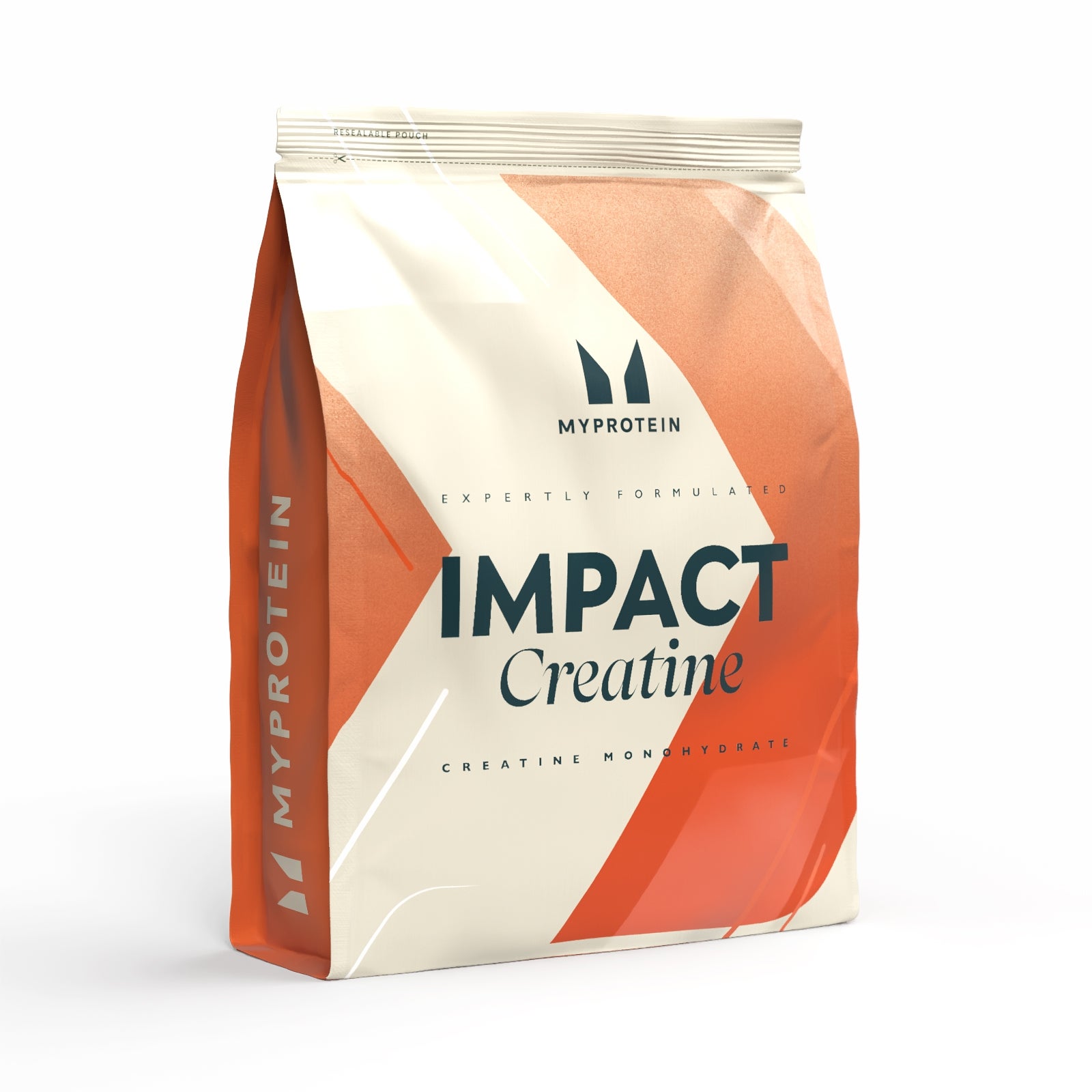
- Creatine monohydrate. This is the form used in most of the research. Fancier forms rarely come with better evidence and often cost more per dose.
- Dose per serving. Check how many grams of creatine are in one serving. The aim is 3 to 5 g a day. Powders usually give about 3 g per scoop, so a 250 g tub lasts roughly two months or more.
- Unflavoured is cheapest. It dissolves in water or any drink, and you skip the sweeteners.
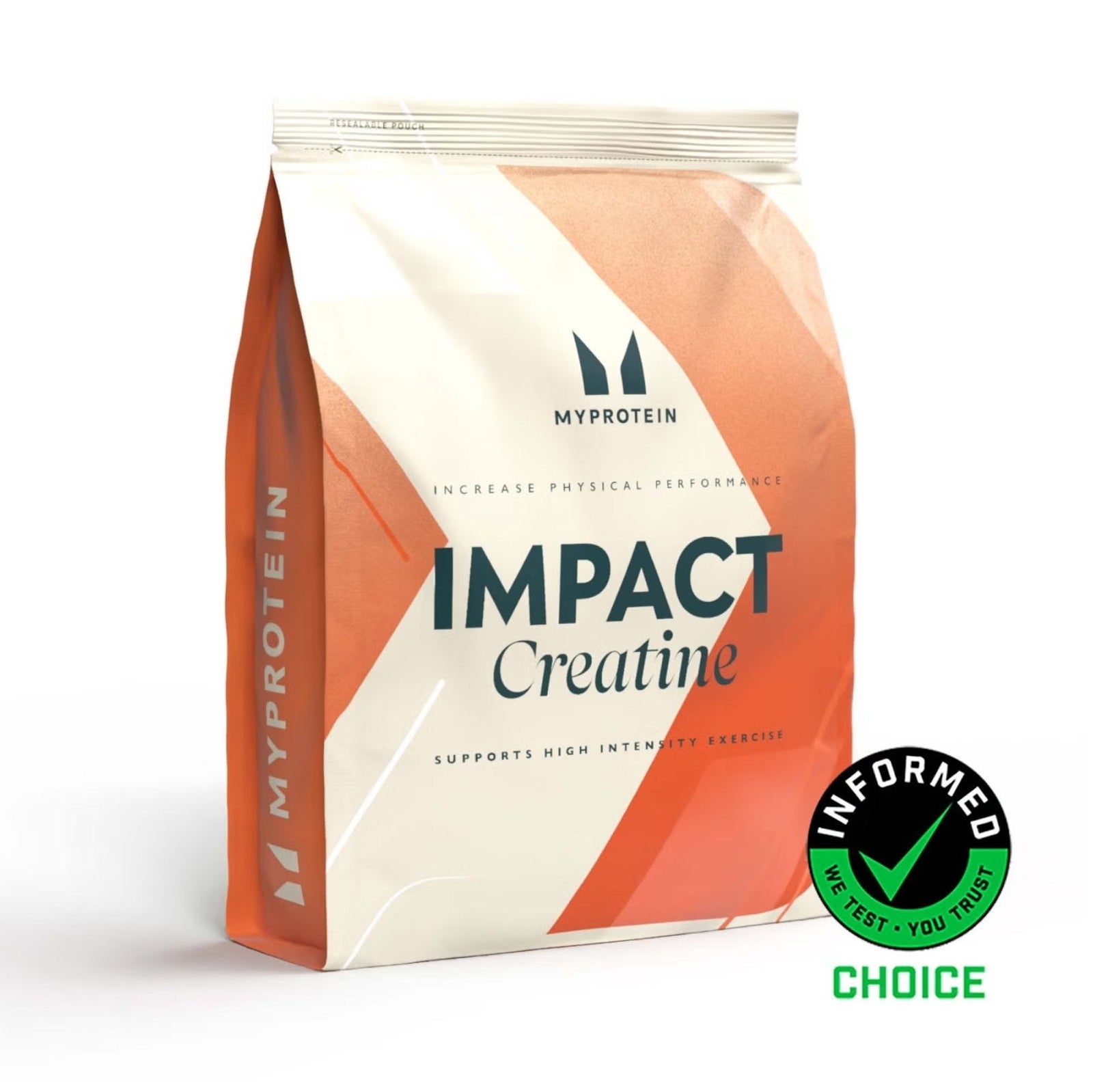
- Third-party testing and purity marks. A budget tub is fine for most people. If you want extra reassurance about what is in the tub, look for a recognised purity brand name or an independent testing logo on the label. Competitive athletes who are drug tested should pick tested products.
- Cost per day, not per tub. A bigger tub is cheaper per dose. Gummies and single-serve sticks cost more per dose in return for convenience.