Walk into any shop and protein powders look like a price puzzle. One tub costs €17, another €46, and the labels shout different things: "80% protein", "isolate", "plant-based", "30 servings". Which one is actually cheaper? The only fair way to compare is the price of the protein itself, not the price of the tub.
Why the price on the tub misleads
A tub is a mix of protein and everything else: carbohydrate, fat, flavouring, sweetener and moisture. Two tubs of 900 g can hold very different amounts of protein. The scoop is not standard either. One brand's scoop is 25 g, another's is 33 g, and each scoop gives a different number of grams of protein.
So the useful number is cost per 25 g of protein, which is roughly one decent shake. You get it from four things printed on the tub or the product page: the price, the weight of the tub, the serving size in grams, and the grams of protein per serving.
Try it with your own label
The starting numbers below are typical label values for each type, not any particular product. Replace them with the numbers from a tub you are considering and watch the bars move.
What the comparison usually shows
Three things tend to come out of this exercise. First, protein percentage matters less than people expect. A tub that is 90% protein but costs twice as much is the more expensive way to get protein unless you have a reason to want the extras. Second, big tubs usually cost less per serving, but only if you will finish them before they stop being pleasant to drink. Third, delivery counts: a cheap tub with a high delivery fee can lose to a dearer tub that ships free.
Whey, isolate or plant: what actually differs
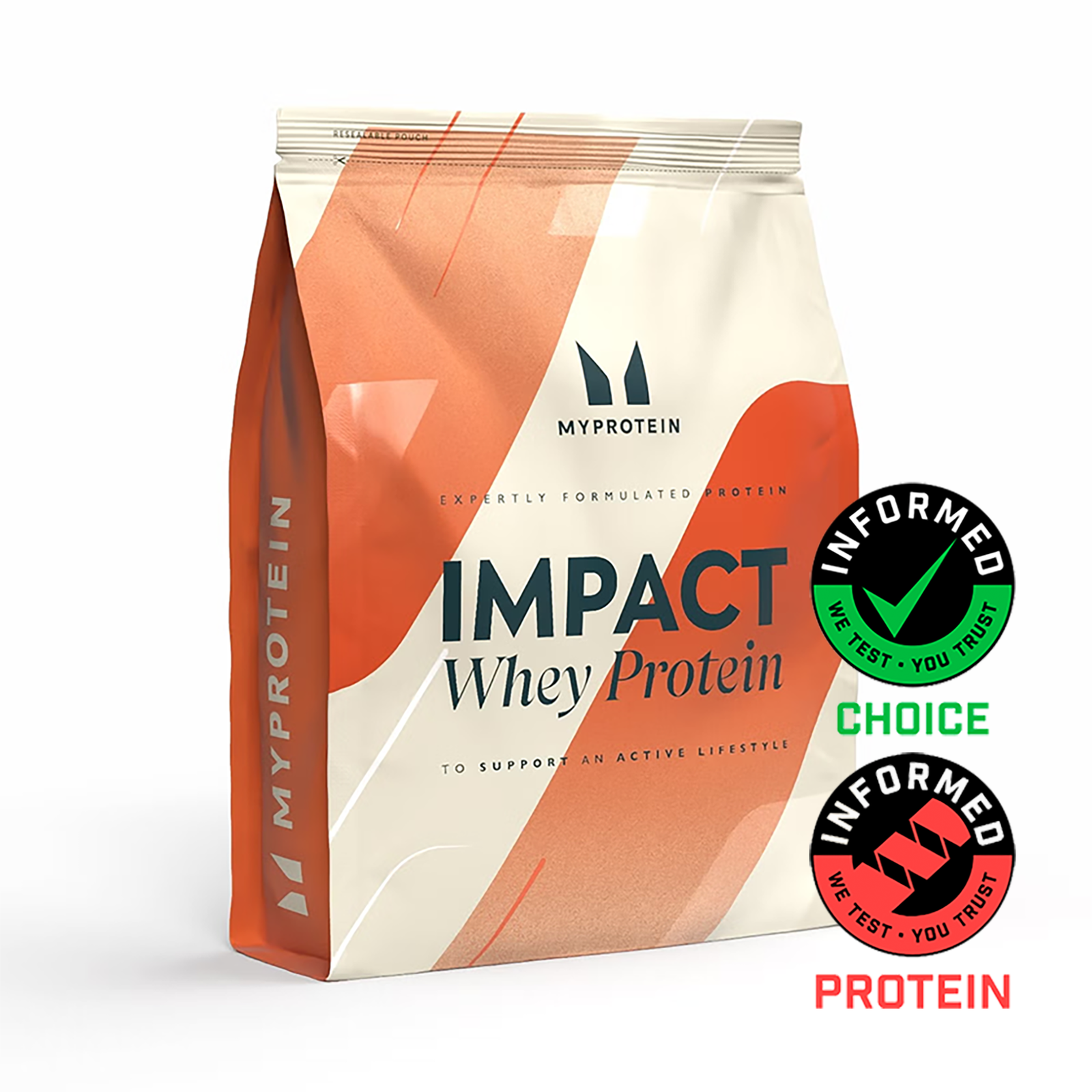
Whey concentrate is the standard choice. It comes from milk, mixes easily and contains all the essential amino acids. Typical labels show roughly 70–80% protein, with some lactose and fat left in.
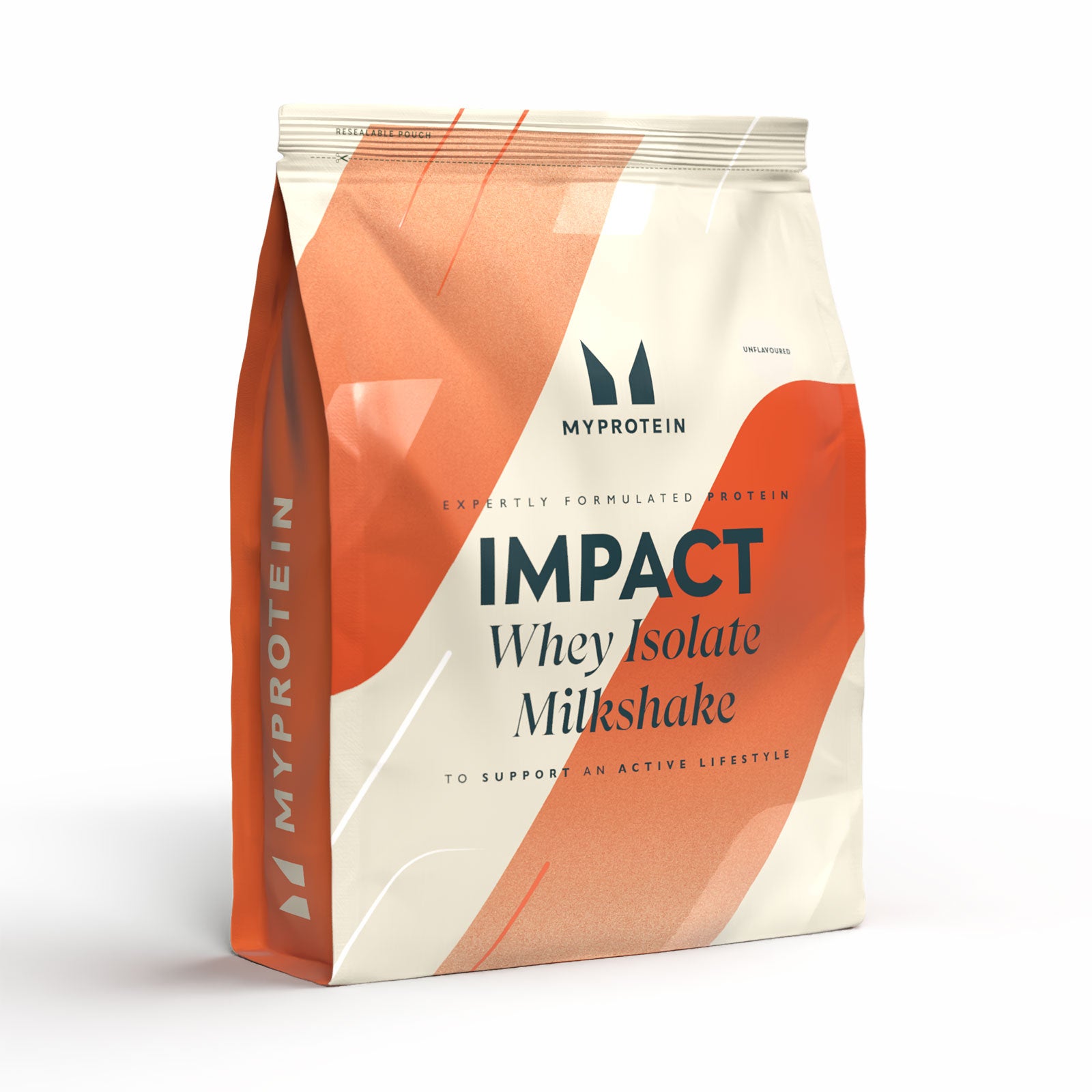
Whey isolate is filtered further, so it is usually around 85–90% protein with less lactose. That can help if milk sugar upsets your stomach. It is not a stronger or more muscle-building protein, it is a cleaner one, and you pay for the processing.
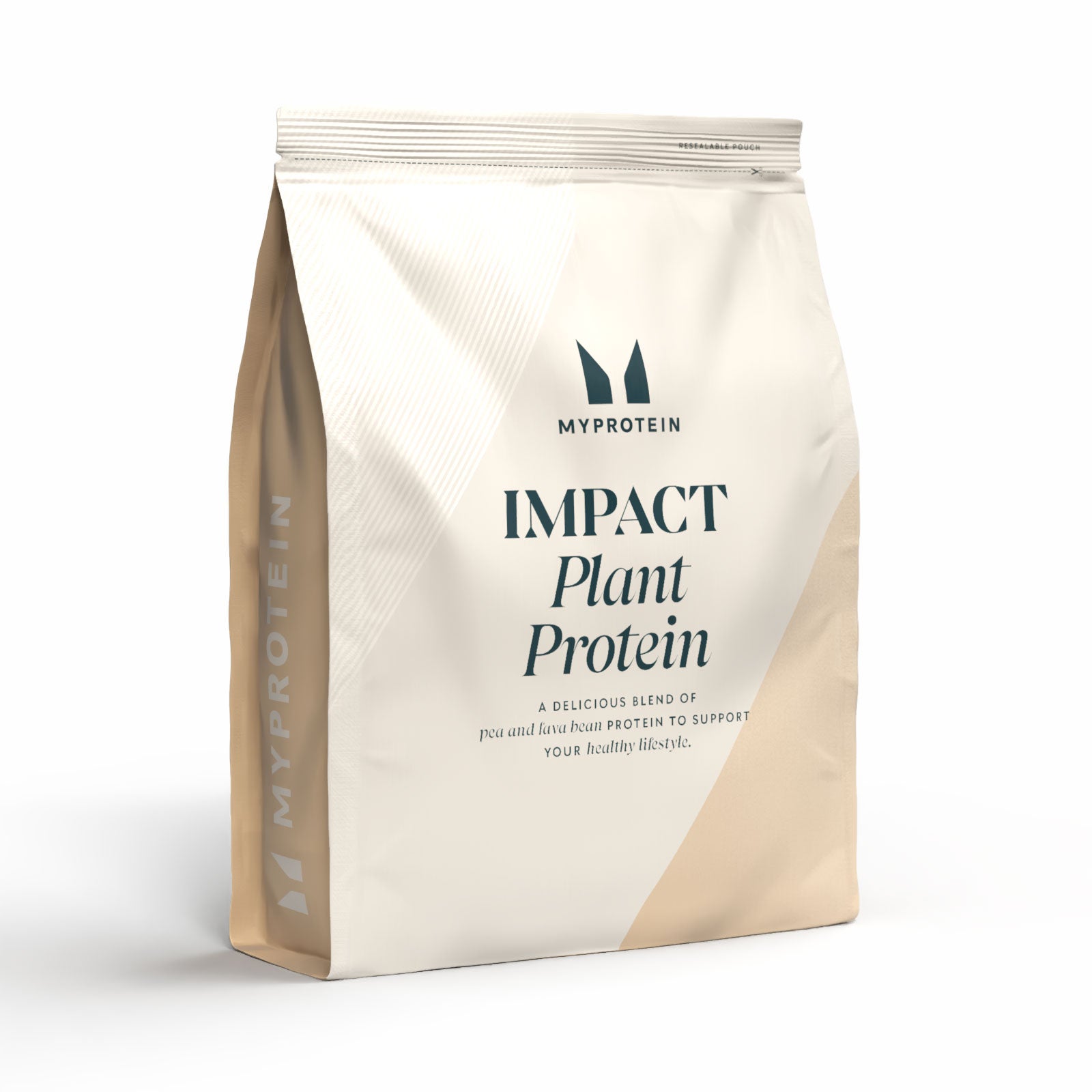
Plant blends usually mix pea with another source such as fava bean or rice, so the amino acids balance out. They suit vegans and anyone avoiding dairy. Research comparing protein sources finds small differences when total daily protein is high enough, so the gap in results between whey and a well-made plant blend is much smaller than the marketing implies.
Whichever you choose, powder is a convenience, not a requirement. If your meals already reach your protein target, you do not need it. Our guide to working out your gap first shows how to check.
What to look for
- Protein per serving and serving size in grams. These two numbers give you the real price of protein. Ignore front-of-tub claims and read the nutrition table.
- A short ingredient list. Protein first, then flavour and a sweetener. Unflavoured versions have the shortest lists and mix into oats or yoghurt too.
- Allergens. Whey contains milk. Plant blends may be made in facilities that handle milk, gluten or soy, so read the allergen line.
- A tub size you will finish. A smaller tub that you finish beats a bargain 2.7 kg bag that goes stale.
- Delivery cost and a trusted shop. Add delivery before you compare, as the calculator does.
Who this is not for
If you have kidney disease, a milk allergy, are pregnant or have another medical condition, talk to your doctor or a registered dietitian before adding protein powder. Food comes first: eggs, dairy, fish, meat, beans, lentils and tofu all count towards your total.