Budget€35.99
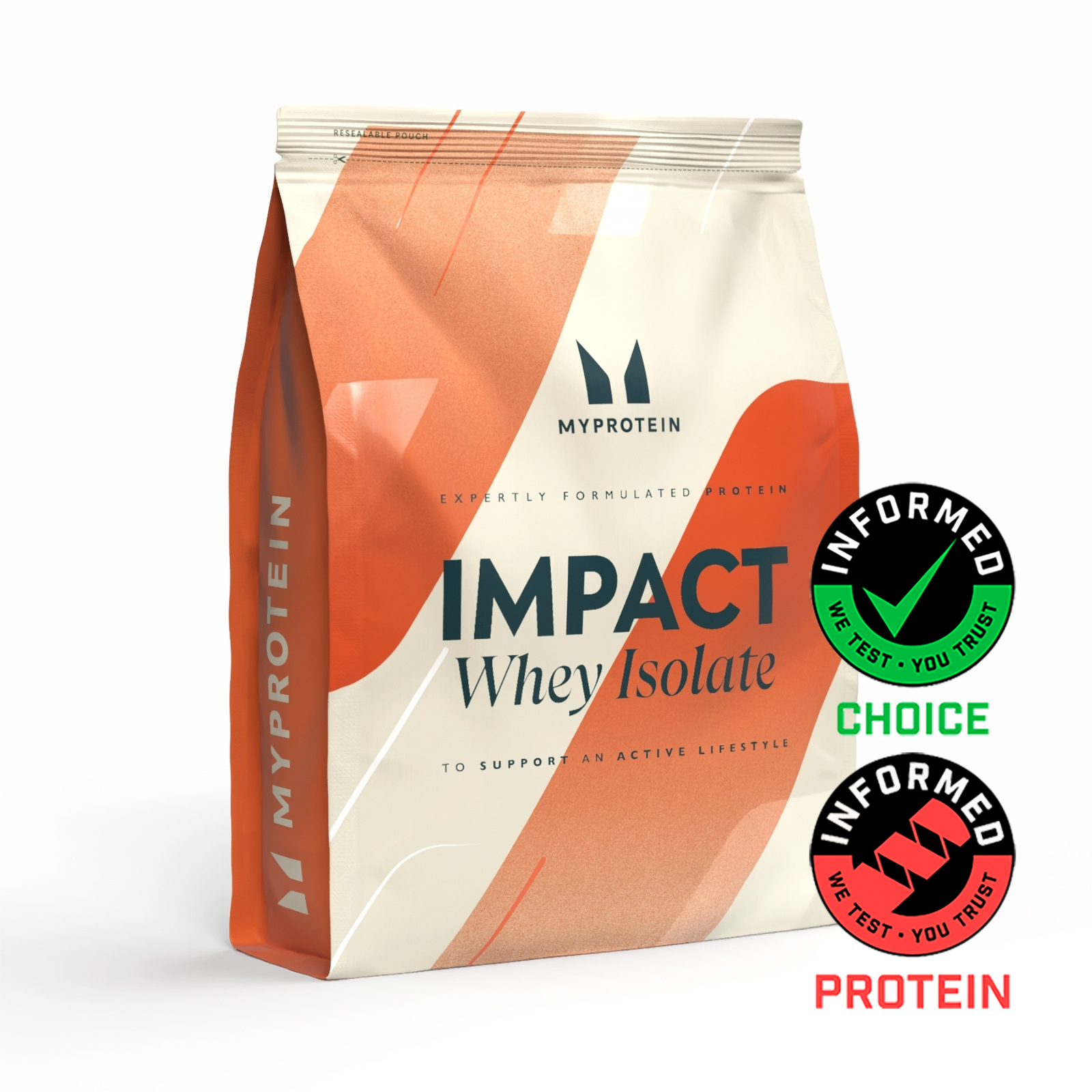
Eiwitpoeder - 1kg - Free Range Unflavoured
A plain, unflavoured protein powder that works in shakes, oats or pancakes. A simple way to close a gap of one or two scoops a day.
1 kg tub · 30 g scoop · Unflavoured
Nutrition · Tool · 4 min ·
Most adults need about 0.8 g of protein per kg of body weight, and people who lift regularly tend to gain best at around 1.6 g per kg. Food can usually get you there.
Build a day of meals in the calculator below, see how close you get, and find out when a scoop of whey actually helps. Plus what to look for in a tub.
Most adults need at least 0.8 g of protein per kg of body weight each day just to stay healthy. That is the standard dietary reference figure in many countries. When you lift weights regularly, studies pooling many trials suggest muscle gains stop improving at around 1.6 g per kg. Some people do slightly better with a bit more, up to about 2.2 g per kg, but the extra is small and uncertain.
So for a beginner the practical target is a range, not a magic number. A 70 kg person lands somewhere around 110 g a day at 1.6 g per kg. Below, set your own weight, pick a target, and build a day of food to see how close you get.
No. Protein powder is food, not a supplement in the sense of a pill that does something special. Whey is milk protein with most of the fat and sugar removed, and your body treats it like the protein in yogurt or chicken. Its only real advantages are that it is quick, easy to measure and cheap per gram of protein compared with many whole foods.
That makes it useful in one situation: you have worked out your target, tried to hit it with ordinary meals, and keep landing 20 to 40 g short. A scoop in a shake or stirred into oats fills that gap. If food already gets you there, skip it. Food first also gives you fibre, vitamins and meals you enjoy.
Spreading protein over three or four meals, with roughly 20 to 40 g each, is a reasonable habit. It does not need to be exact, and there is no need to drink a shake within a "window" after training. Total daily protein matters most.
If you have kidney disease, are pregnant, are under 18 or have any medical condition that affects what you eat, talk to your doctor or a dietitian before raising your protein intake or adding powders. The numbers above are for healthy adults.
Expect to pay roughly €1 to €2 per serving for standard whey, with isolate at the higher end. Prices change often, so the picks below show what is on offer now. They are examples, not reviews: we have not tested them.
Affiliate links, marked sponsored. We may earn a commission at no extra cost to you. Examples that match this guide, not tested reviews. Prices checked 3 Oct; every shop is on each product page.
A plain, unflavoured protein powder that works in shakes, oats or pancakes. A simple way to close a gap of one or two scoops a day.
1 kg tub · 30 g scoop · Unflavoured
Isolate is filtered further than concentrate, which can suit people who find milk heavy. Lightly flavoured, so it drinks fine with just water.
Whey isolate · 900 g · 30 servings
A bulk tub with the lowest cost per serving of the three. Only worth it if you will use a scoop most days and have somewhere cool and dry to keep it.
3.6 kg tub · 120 servings · Unflavoured