Budget€19.95
Push Up Bar - Focus Fitness Twist Bars
The simplest upgrade if you can already do a few push-ups: the handles add depth and keep wrists straighter, and there is nothing to hang.
Push-up bars · No anchor point · Twist handles
Home Gym · Tool · 4 min ·
Push-up bars, gymnastic rings, a suspension trainer or an ab wheel: which low-cost bodyweight tool fits your goal? Tap what you want to train, say whether you have a solid anchor point and set a rough budget to see how well each one fits.
A plain-English guide to what each tool changes, who it suits, what to check before you buy, and when to ask a doctor or physio first.
You can build a lot of strength with nothing but your own body. The catch is that bodyweight exercises get stale: a push-up stays a push-up until you change something. A handful of cheap tools change how your body meets the floor, and each one fixes a different problem. This guide helps you work out which one, if any, is worth buying first.
Push-up bars are two handles that lift your hands off the floor. They give you a bit more depth at the bottom of the push-up and let your wrists stay in a straighter line. They need no setup and no anchor point.
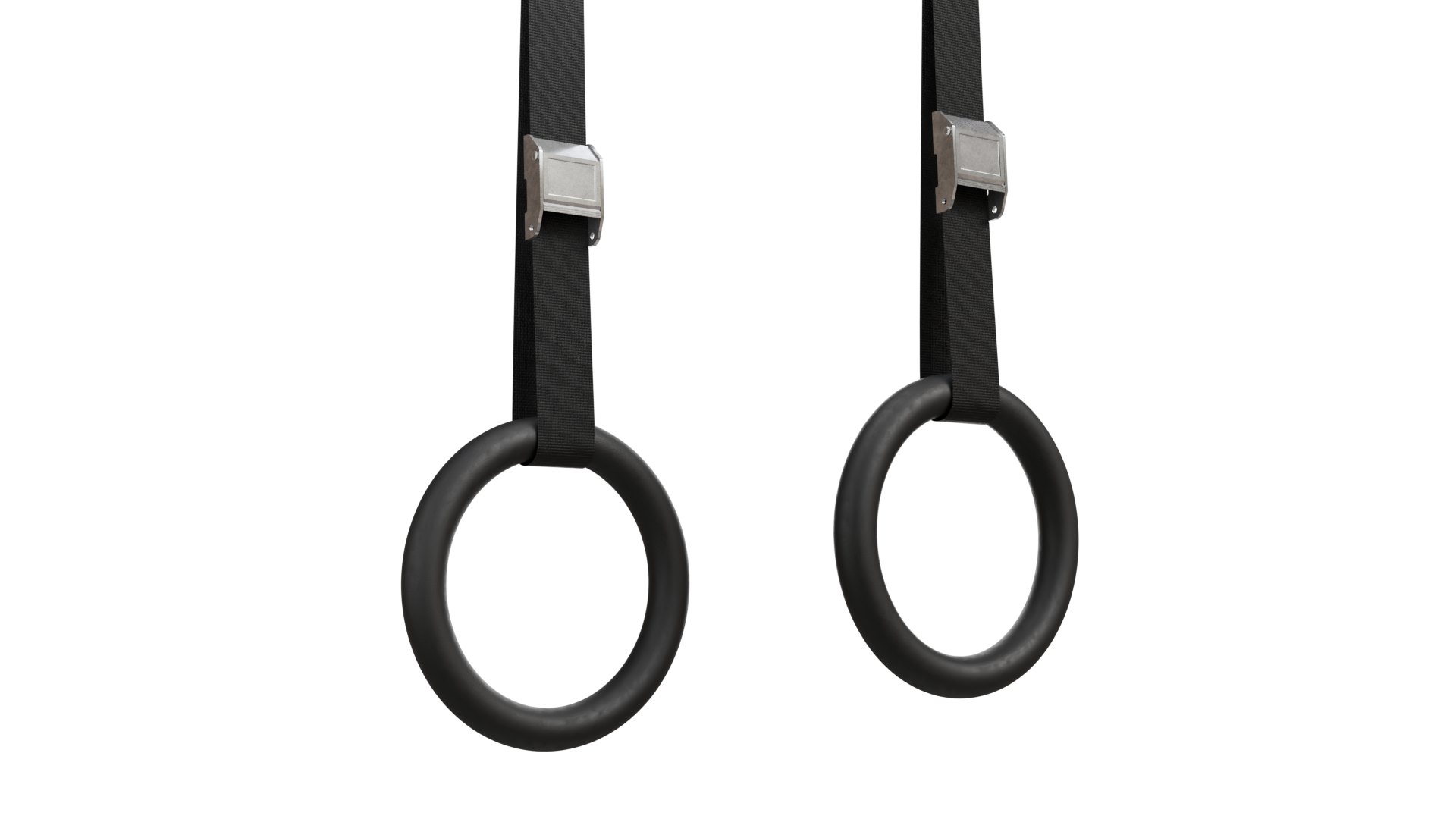
Gymnastic rings are two rings on adjustable straps that you hang from something solid: a pull-up bar, a beam, a sturdy tree branch. Because the rings move, your shoulders and core work harder to keep them steady. You can do push-ups, rows and dips on the same pair.
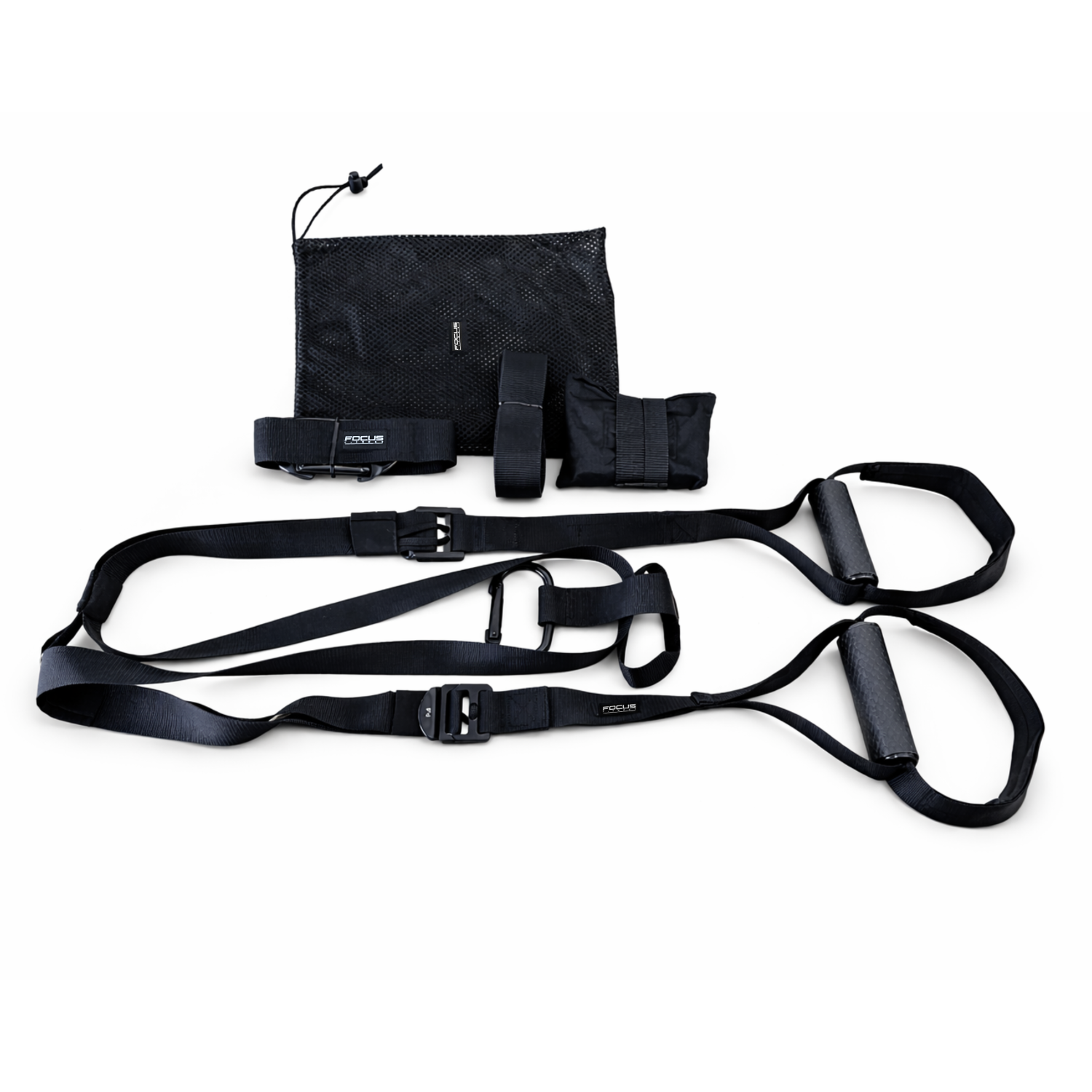
A suspension trainer is a similar idea: two handles joined at one anchor point, usually with a door or bar attachment. The big trick is that you change the difficulty by changing your angle. Stand closer to the anchor and a row gets easier; step back and it gets harder. That makes it friendly to beginners who can't yet do a pull-up.
An ab wheel is a small wheel with a handle on each side. You kneel and roll forward, then pull back. It trains your trunk to resist your lower back sagging, and it is much harder than it looks.
Tap what you want from the list, say whether you have a solid anchor point, and set a rough budget. The bars show how well each tool fits. The scores are a simple rule of thumb from this guide, not a measurement.
If you can do a few clean push-ups and want something more, bars are the lowest-effort change. The extra depth makes each rep a little harder, and many people like that their wrists stay straighter than flat on the floor. They don't make push-ups easy, though: if a full push-up is out of reach for now, start with hands on a counter or a sturdy table, then lower the height over weeks. If wrist pain stops you, don't push through it; ask a doctor or physio.
Both let you row, which is the main thing push-up bars can't do. Rows work your back and the backs of your shoulders, the muscles that balance all that pushing. The difference is mostly feel. Rings hang as two separate lines, so your hands can turn and travel, and they reward practice. A suspension trainer, with both handles on one anchor, is simpler to set up and easier to scale, so it suits true beginners. If you are comparing them for a first purchase, think about where you will hang them and how often you will want to set them up.
Either way, the anchor matters more than the strap. Use something built to take your full bodyweight plus movement, check the maker's rated load, test it with a slow, low pull before committing, and don't hang anything from a door frame, ceiling fitting or tree branch you aren't sure about.
An ab wheel is cheap and tiny, and it is a tough trunk exercise. Rolling out far makes your lower back work to stop it from sagging, which is why beginners often feel it in the wrong place. Start with a very short roll, or with a wall to stop the wheel, and build slowly. If you have back pain or a history of back problems, check with a doctor or physio first.
If you have an injury, are pregnant, or have a heart or joint condition, check with a doctor or physio before using suspended equipment. And if you haven't bought dumbbells, a kettlebell or bands yet, these tools are not a replacement: they add variety to bodyweight training, they don't add much load.
Affiliate links, marked sponsored. We may earn a commission at no extra cost to you. Examples that match this guide, not tested reviews. Prices checked 26 Oct; every shop is on each product page.
The simplest upgrade if you can already do a few push-ups: the handles add depth and keep wrists straighter, and there is nothing to hang.
Push-up bars · No anchor point · Twist handles
One pair covers rows as well as push-ups, which the bars can't. You will need a solid place to hang them and should check the rated load first.
Pair of rings · Needs an anchor · Rows and push-ups
Handles on a single anchor make it easy to scale: stand closer to make a row easier, step back to make it harder. Good for beginners who can't yet pull up.
Suspension set · Needs an anchor · Angle sets difficulty