A fitness tracker is easy to over-buy. The shop shelf runs from a thin band for the price of a few coffees to a watch that costs more than a pair of good running shoes, and most of what separates them is stuff a first-year trainee will never use. The useful question is not "which is best?" but "what do I want it to tell me?"
What a tracker actually measures
Almost every tracker, cheap or dear, does the same few jobs. It counts your steps with a motion sensor. It reads your pulse by shining a green light into your wrist and watching how the blood flow changes. It guesses how long you slept from movement and pulse. And it shows notifications from your phone.
These are estimates, not lab measurements. Wrist pulse is usually fine at rest and during steady effort, and it gets less reliable in fast intervals or heavy lifting. Sleep stages and calorie burn are rough guesses. A tracker is good at showing trends over weeks, such as whether you walk more or your resting pulse is drifting down, and weak at telling you a precise number for today. It is not a medical device: if you feel unwell, or a reading worries you, speak to a doctor rather than a watch.
Tick what you want
Below, tick the things you would actually use. The table shows how three broad kinds of tracker usually cover each one. These are general patterns, so always check the spec sheet of the exact model you are looking at.
The three kinds, in plain words
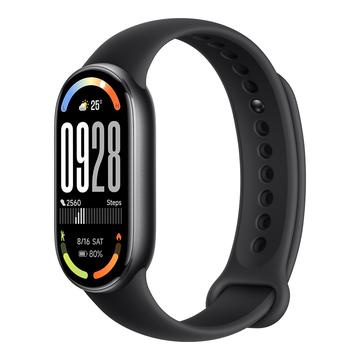
A basic band is a slim screen on a strap. It does the core jobs well enough, usually lasts a week or more between charges, and costs the least. Some have their own GPS and some borrow your phone's, so this is the spec to check. For a first-year trainee who mainly wants to see steps, sleep and a pulse trend, it is often all you need.
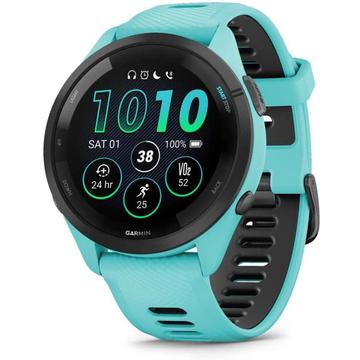
A sports watch adds the things runners and walkers ask for: built-in GPS, so pace and distance work with the phone left at home, plus guided workouts and a battery that lasts for weeks in watch mode. The screen is often simpler and dimmer than a phone-style one, but it reads well in bright sun.
An advanced watch is a sports watch with a bright, sharp screen and extra analysis on top, such as a daily "readiness" score and music stored on the watch. Those scores are the maker's own estimates built from pulse, sleep and activity, so treat them as a prompt to think, not an instruction.
Notice what is not in the list: blood pressure, blood sugar and similar claims on very cheap bands. Treat those as unproven, and do not make health decisions from them.
What to look for
Around €30–60: a colour screen you can read outdoors, water resistance rated for showers and the pool, and a battery claim of at least a week. Check whether GPS is built in or uses your phone. Skip anything that promises blood pressure or other medical readings.
Around €130–220: built-in GPS, a pulse sensor, and a battery that lasts days with GPS on. Look for guided workouts if you are starting to run, and an app that exports or shows your history clearly.
Around €300–450: a bright, sharp screen, a touchscreen or good buttons you can use with sweaty hands, and recovery or readiness features you will actually look at. Check that the battery still lasts several days with the screen set the way you like it, and be honest about whether you would use music on the wrist.
Whatever you pick, remember that a tracker does not do the training for you. The steps, sessions and sleep are still yours.