Every watch box shows one big battery number: "up to 13 days", "up to 35 hours". It looks like one fact. It is really two, measured in two different situations, and the gap between them decides how often you will be plugging the watch in.
Two numbers, not one
Makers usually quote a smartwatch figure (days): the watch sits on your wrist, counts steps, reads your heart rate and shows notifications, with no workout running. And they quote a GPS figure (hours): the watch is recording an outdoor activity with satellite tracking switched on.
GPS is the thirsty part. A watch rated for around two weeks of everyday wear is often rated for only about a day of continuous GPS recording. Your real battery life is a mix of the two, so it depends on how much of your week is spent in a workout.
Both numbers are also best-case. They are measured with default settings in a lab, so a bright screen, many notifications or a busy week will eat into them. That is why the playground below has a "real-world" slider: the maker's number is the ceiling, not a promise.
What the sliders are telling you
Try zero workouts: the watch-mode figure rules, and Watch C goes nearly twice as long as Watch A between charges. Now push to daily two-hour sessions. Watch A, with the lowest watch-mode figure but the biggest GPS figure, catches up with Watch B. A watch that is rated best for days is not automatically best for training.
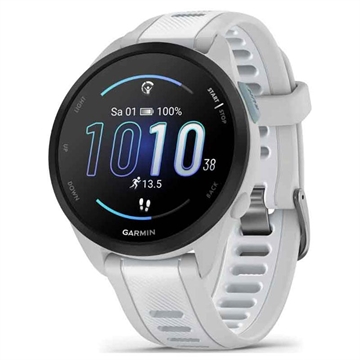
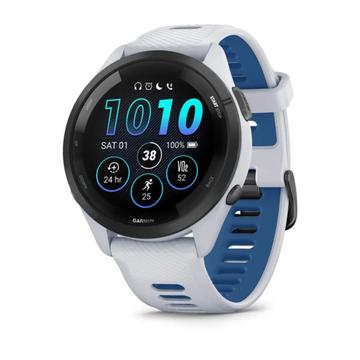
Music is the other big drain. For one popular running watch, the maker lists roughly 20 hours of GPS recording but only about 7 hours when music is playing from the watch itself. If you run with your phone or a wired setup, you never pay that cost.
Does it matter how often you charge?
For most people the answer is about habit rather than hours. A watch you charge every few days while you shower or work at a desk is no trouble. One that needs charging every night collides with sleep tracking, because the night is the moment it would otherwise be on your wrist. A battery that lasts at least a week makes it easy to wear the watch for sleep, and the habit of wearing it beats a higher spec you keep forgetting to put on.
The other case that matters is the occasional long day: a marathon, a long hike, a day out on the bike. For those, look at the GPS figure and leave a safety margin, because the real number will be lower than the claim.
What to look for
- A watch-mode figure you can live with. About a week suits most beginners: a weekly charge you can fit into a routine, with room for a few workouts.
- A GPS figure at least twice your longest session. If your longest outdoor activity is two hours, anything above four hours leaves comfortable margin once the battery has aged and the maker's best case has been trimmed.
- Which features eat the battery. A bright always-on screen, onboard music and extra satellite modes all cost hours. Check how the figure is measured before you compare two watches.
- A charger you can replace. Many watches use a proprietary cable. It is worth knowing before you travel.
This guide is not for anyone using a watch for a medical purpose or heavy outdoor expeditions. For those, rely on the manufacturer's advice, and talk to a doctor if the reading is part of managing a health condition.