A smart scale promises a lot: weight, body fat, muscle, water, all synced to your phone. Before you spend money, it helps to know what these numbers can honestly tell you. Short version: they are good at showing a slow trend and poor at giving a single exact reading.
Why your weight jumps around
Your body weight is not just muscle and fat. It also includes the food and drink still in your gut, the water your body holds, and the glycogen (stored carbohydrate) in your muscles, which carries water with it. A salty dinner, a hard workout or a big glass of water can move the scale by a kilo or two in a day without changing your fat or muscle at all.
Real change in muscle or fat is slow. A beginner who trains and eats sensibly may move a few hundred grams a week at most. That is smaller than the daily noise, which is why a single weigh-in tells you very little.
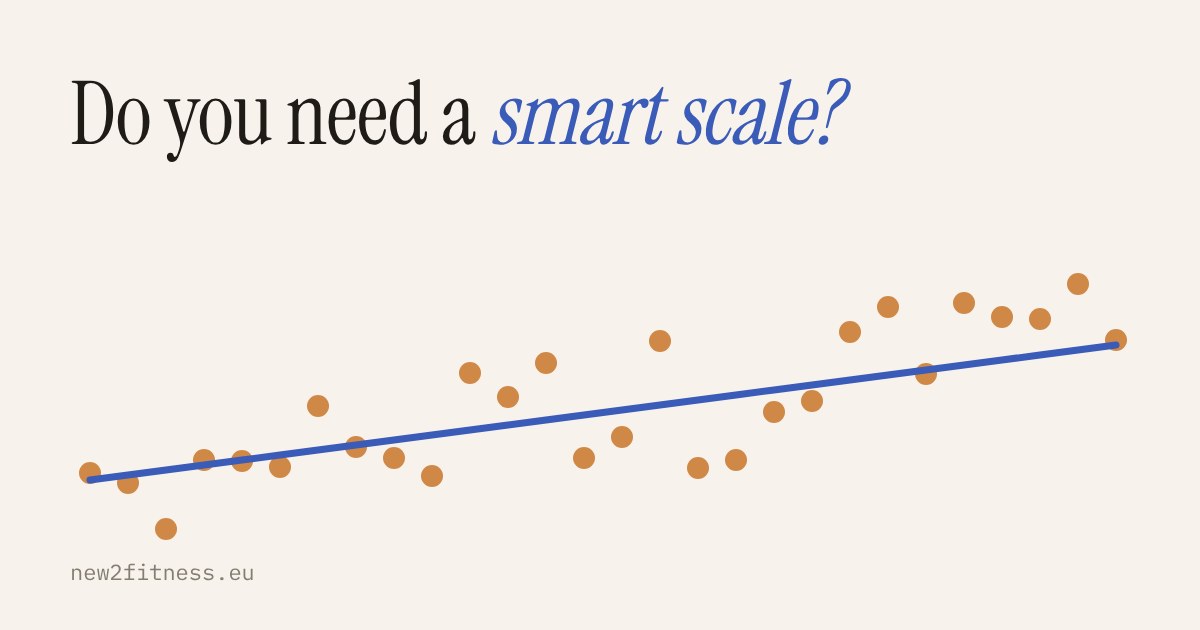
With the defaults, the dots wander all over the place but the seven-day average climbs steadily. Weighing at the same time each morning, after the toilet and before food, shrinks the swing, because you remove most of the food, drink and time-of-day effects. That habit matters more than which scale you own.
What "body fat" on a scale really is
Most smart scales send a tiny, harmless electrical current through your feet and measure how hard it is to pass through you. Muscle and water conduct it easily, fat does not. The scale then plugs that into a formula built from population averages to estimate body fat, muscle, water and so on. This method is called bioelectrical impedance.
The catch is that the answer depends on how hydrated you are. Drinking, eating, exercising, sweating or even the time of day can shift the reading by a few percentage points. Scales that only touch your feet also assume how fat is spread through your body. So treat the number as a rough estimate and never as a diagnosis. Two different brands can give you different values for the same body, and neither is "the truth".
What the readings are good for is comparing yourself with yourself: same scale, same conditions, a trend over several weeks. If you are pregnant, have an implanted medical device such as a pacemaker, or have a medical condition, ask your doctor before using a scale that sends a current through your body, as many makers advise against it.
Do you need one?
For most beginners, a plain scale or no scale at all is fine. You can see progress in your lifts, how you feel and how your clothes fit. If you do like numbers, a smart scale makes weighing in easier because it logs every reading for you and draws the trend, which is the part worth looking at.
Skip the scale if weighing yourself makes you anxious or pulls your attention away from training. If you have a history of disordered eating, talk to a professional before tracking numbers at all. The scale is a tool, not a verdict.
What to look for
- Around €30–40: a reliable weight reading and an app that logs it. Body-fat estimates at this price are rougher, so use them as a trend only.
- Around €90–100: automatic syncing, support for several people in the household, and body composition estimates in a polished app with a long battery life.
- Around €150 and up: mostly extra health extras rather than a more accurate body-fat figure. Only pay for them if you actually want them.
- At every budget: check the maximum weight, how many users it supports, how it syncs (Bluetooth, Wi-Fi) and whether the app lets you export or keep your data.
What to buy, if anything
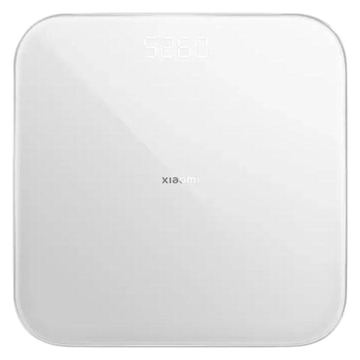
If you want one, the examples below show a range of prices. They are examples, not reviews, and the links are affiliate links. Weigh yourself the same way each time and judge by the weekly average.