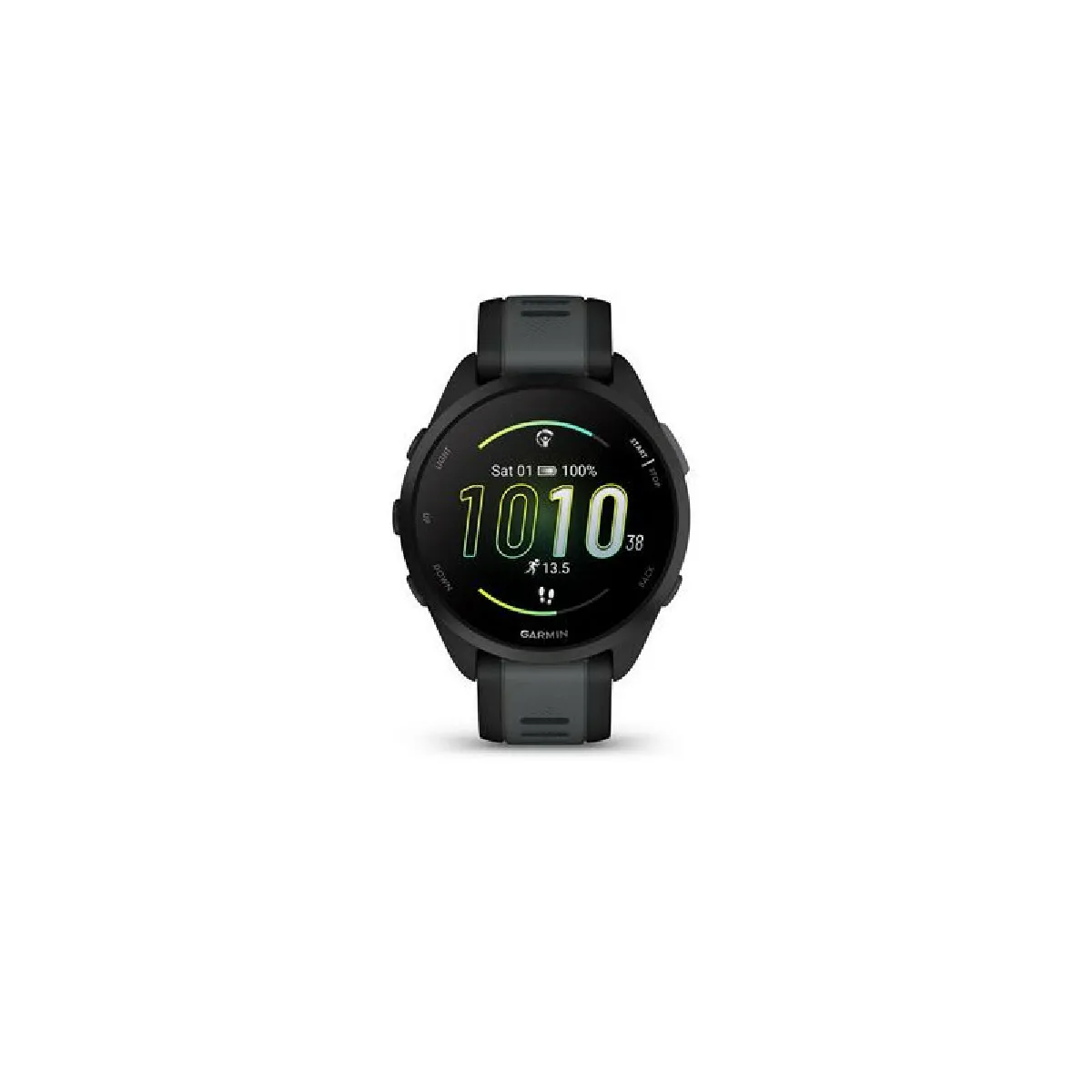
"Built-in GPS" is on almost every watch box, and it is one of the things that separates a €50 band from a €150+ watch. Whether it is worth paying for depends on one question: where do you actually train?
What GPS actually gives you
GPS (more precisely GNSS, the family of satellite systems that includes GPS, Galileo and GLONASS) lets a watch work out where it is. From a trail of positions it calculates distance, pace and a map of your route. That's it. It doesn't measure your heart rate, your effort or how well you're recovering, so it adds nothing to a gym session.
Without GPS, a watch guesses distance from your arm swing and step count, multiplied by a stride length it learned or assumed. That works on a treadmill and is fine for an easy walk, but it drifts if your stride changes (tired legs, hills, a faster pace).
Try it: slide the signal, see the error
When you can skip GPS
You probably don't need it if most of your training is lifting, classes, a treadmill, a bike on a stand or home workouts. Indoors there are no satellites to see anyway, and none of those need a map. You can also skip it if you only walk or run now and then and are happy carrying your phone: the phone already has GPS, and the distance it records is usually the same kind of number.
When it is worth having
A watch with its own GPS makes sense if you run or walk outdoors regularly and want to leave the phone at home, if you care about pace as you go, or if you want a route you can look at afterwards. For a beginner, the real benefit is simple: a number that rises as you build up, and that you can compare week to week without carrying anything.
Nothing here changes how hard you should train. Use the effort tools elsewhere on this site for that, and speak to a doctor first if you have a heart condition, pain or are unsure whether to start.
What "multi-band" means, and who needs it
Most watches listen to satellites on one radio frequency. Some listen on two (called dual-frequency or multi-band). Two signals let the receiver correct for a distortion caused by the atmosphere, which tends to help most among tall buildings and in tricky terrain. If you run in open parks or on quiet roads, single-frequency is fine. If your route is a city centre or a forest, it is worth considering but it isn't essential.
What to look for
At every budget the questions are the same:
- Built-in GPS: look for the words "built-in" or "standalone". "Connected GPS" means it borrows the phone's signal.
- Battery in GPS mode: this number matters more than the headline "days" figure. It is the hours the watch lasts while tracking. For beginners, anything over about 15 hours covers many weeks of sessions between charges.
- Comfort and screen: you will look at it mid-run in sunlight. Check weight and whether the screen is readable outdoors.
- Chest-strap support (optional): if you may add a strap later, check that the watch pairs with standard Bluetooth or ANT+ straps.
- Multi-band GPS (optional): mostly a plus for cities and forests, usually found at higher prices.
Prices change, but expect built-in GPS watches to start at around €150 and reach around €350 or more for multi-band models.