Walking, running and cycling outdoors cost nothing, and they are still the best place to start. A home cardio machine earns its floor space when the weather, the dark, your schedule or your neighbourhood keeps stopping you. If that is you, the real question is not "which machine is best?" but "which one will fit my room, my floor and my body well enough that I actually use it?"
What each machine actually does
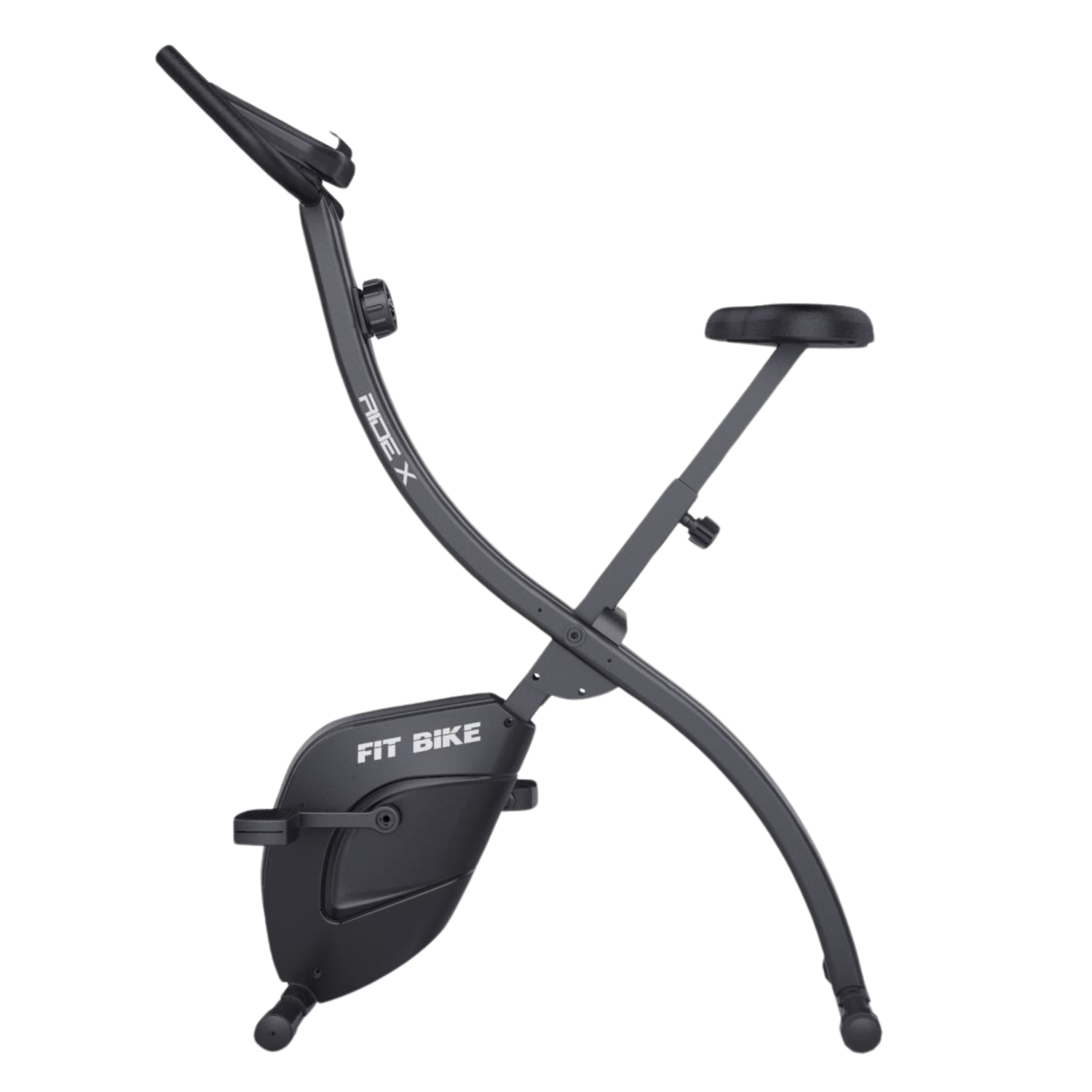
An exercise bike is seated, so your weight rests on the saddle rather than your legs. That makes it easy on knees and ankles, the quietest of the three, and the smallest. The catch is that it works mostly your legs, and sitting on a saddle for long sessions is not for everyone.
A treadmill is the closest thing to walking or running outside, so it trains the exact skill if you want to walk more or start running. It is also the noisiest, the heaviest, and the one that asks for the most space around it. Each footfall lands through your joints, so build up gently.
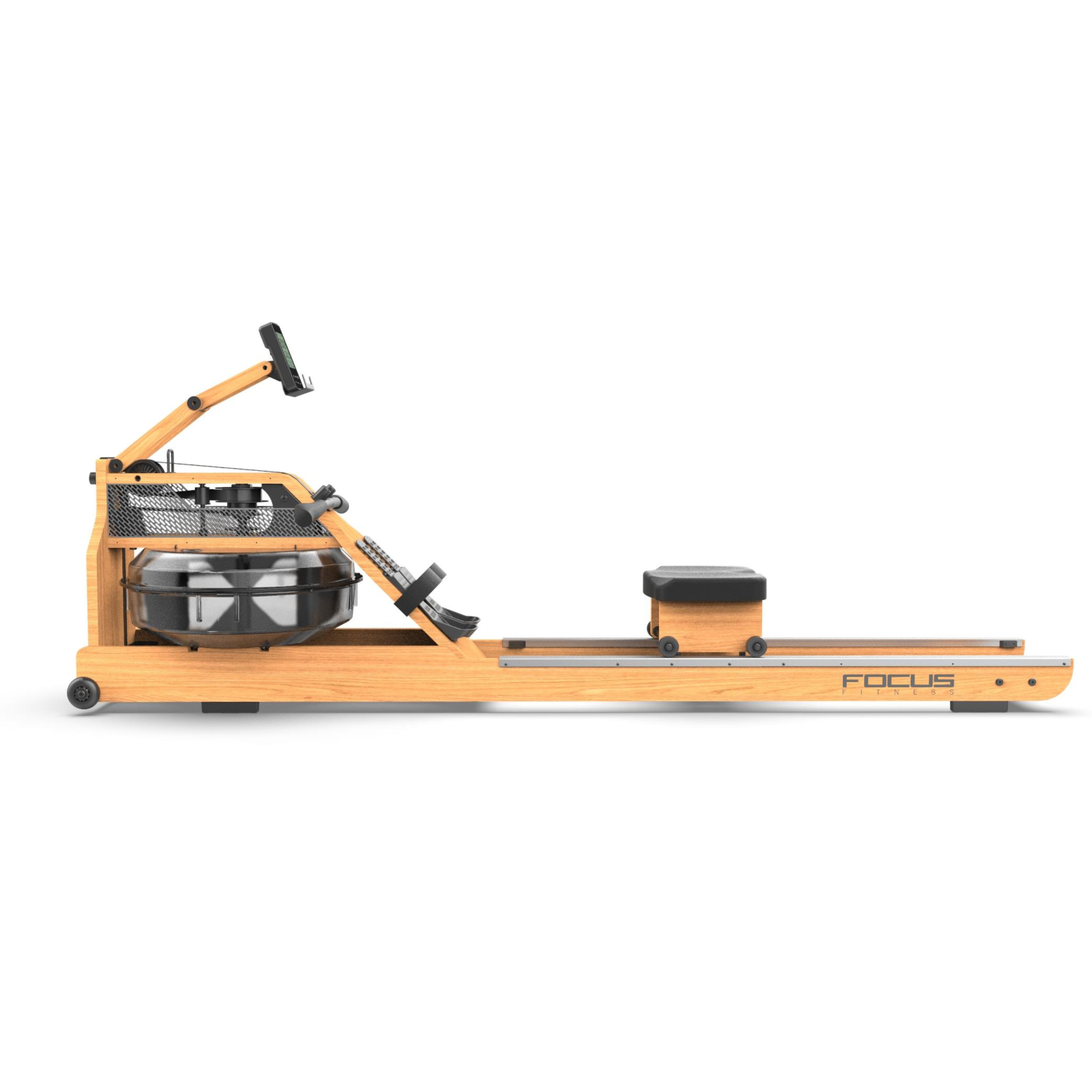
A rower uses your legs, back and arms in one stroke and is low impact because you are seated. It is also the longest machine in use: a full-size rower such as the Concept2 RowErg is 244 cm long and 61 cm wide. Technique matters more than on the other two, so start light and learn the movement before chasing speed.
How much cardio are you aiming for?
The World Health Organization's general target for adults is at least 150 minutes of moderate-intensity activity a week. For a first-timer that can be as simple as five easy 30-minute sessions where you could still hold a conversation. The best machine is the one you will use five times a week, not the one with the most impressive features.
Space, noise and floors
Measure the free floor, not the room. You need space to get on and off, and behind a treadmill in case you step off in a hurry. Flats are where noise matters most: a treadmill above someone's bedroom is a different decision from a bike in a garage. A rubber mat under any machine protects the floor and softens vibration, though it will not make a treadmill silent.
What it costs, roughly
Entry-level exercise bikes and walking-style treadmills start at around €100–250. Rowers in the same range exist, with sturdier, heavier ones at around €500 and up. Cheap machines are fine for easy sessions at a beginner's pace. Where they cut corners is usually stability, resistance range and how long they last, so read the weight limit and user reviews before buying.
What to look for
- Under about €200: the maximum user weight, whether it feels stable (check the footprint and weight), and the return policy. A wobbly machine is one you will stop using.
- Around €200–400: a wider resistance range or belt, a quieter drive, and a console you can read. Folding or stand-on-end storage if the room is shared.
- Above that: build quality, a long warranty, and spare-part availability matter more than extra programmes.
This is general information, not medical advice. If you have heart or joint conditions, are pregnant, have pain, or have not exercised in a long time, check with a doctor or physio before starting a new kind of exercise.