Budget€29.95
Kettlebell - Focus Fitness - 8 kg - Gietijzer
A light cast-iron bell for learning the hip hinge, goblet squats and light presses before you go heavier.
8 kg · Cast iron · Single weight
Home Gym · Tool · 4 min ·
One kettlebell can't suit every lift: a swing takes a heavy bell, an overhead press a light one. Enter a dumbbell weight you can squat and one you can press, slide the bell weight, and see which lifts it fits.
You also see why many beginners end up with two bells, and what to look for in cast iron, vinyl and adjustable kettlebells. Includes three example picks at different prices.
Ask ten people which kettlebell a beginner should buy and you will hear ten numbers. The reason is that a kettlebell does different jobs. A swing is driven by your hips and legs, so it takes a heavy bell. An overhead press is held up by one shoulder, so it takes a light one. A goblet squat and a get-up sit in between. One weight cannot be right for all of them, so the useful question is: which weight is right for the most of them?
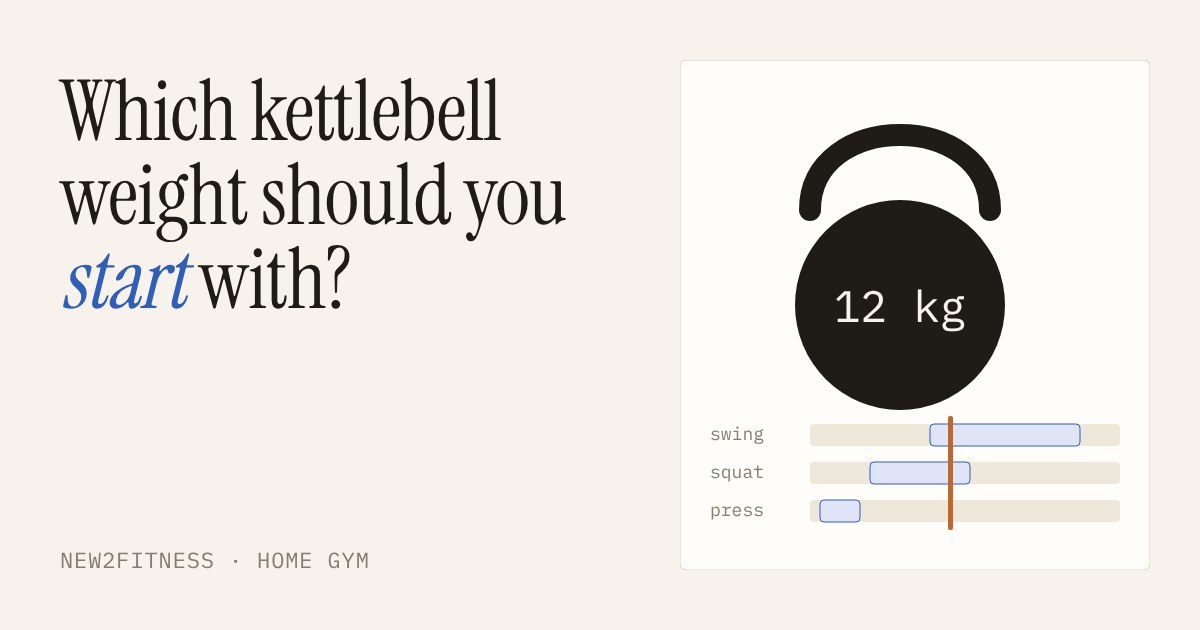
Put in two numbers you already know from dumbbells (or a good guess), then slide the bell weight. Each bar is a rough working range for that lift, and the marker shows where your bell lands.
A green marker inside the blue range means that lift will feel challenging but doable with good form. A marker to the left means the bell is light for that lift. That is not a problem while you learn the movement, and a light bell is often the right choice for the first week. A marker to the right means it is too heavy for now. The line under the chart names the common size that sits inside the most ranges.
Notice what happens to the press. For most beginners it is the limiting lift, because an overhead press asks a lot of one shoulder and the bell hangs off-centre. Many people end up with two bells: a heavier one for swings and squats and a lighter one for pressing and get-ups. If you can only buy one, pick the weight that suits the lift you will do most, and expect to add a second bell within a few months.
Strength differs a lot between people, and so does experience. The ranges here are a starting point drawn from common coaching advice, not measured fact. Plenty of guides suggest roughly 8–12 kg for adults starting out and 12–16 kg for those who already lift, but those are averages. Your own dumbbell numbers are a better guide than your age or sex.
The swing is the exception to "start light". Because the hips do the work, a bell that feels too light makes you lift with your arms and round your back. Learn the hip hinge first with a light bell or a dumbbell, then move up.
These numbers are for healthy adults. If you have back, shoulder or wrist pain, a recent injury, are pregnant, or have a heart or blood-pressure condition, check with a doctor or physio before you start swinging weights.
Whatever you pick, start with one weight you can handle with good form, and add a second one when the first becomes easy. The picks below show example bells at three price points.
Affiliate links, marked sponsored. We may earn a commission at no extra cost to you. Examples that match this guide, not tested reviews. Prices checked 17 Oct; every shop is on each product page.
A light cast-iron bell for learning the hip hinge, goblet squats and light presses before you go heavier.
8 kg · Cast iron · Single weight
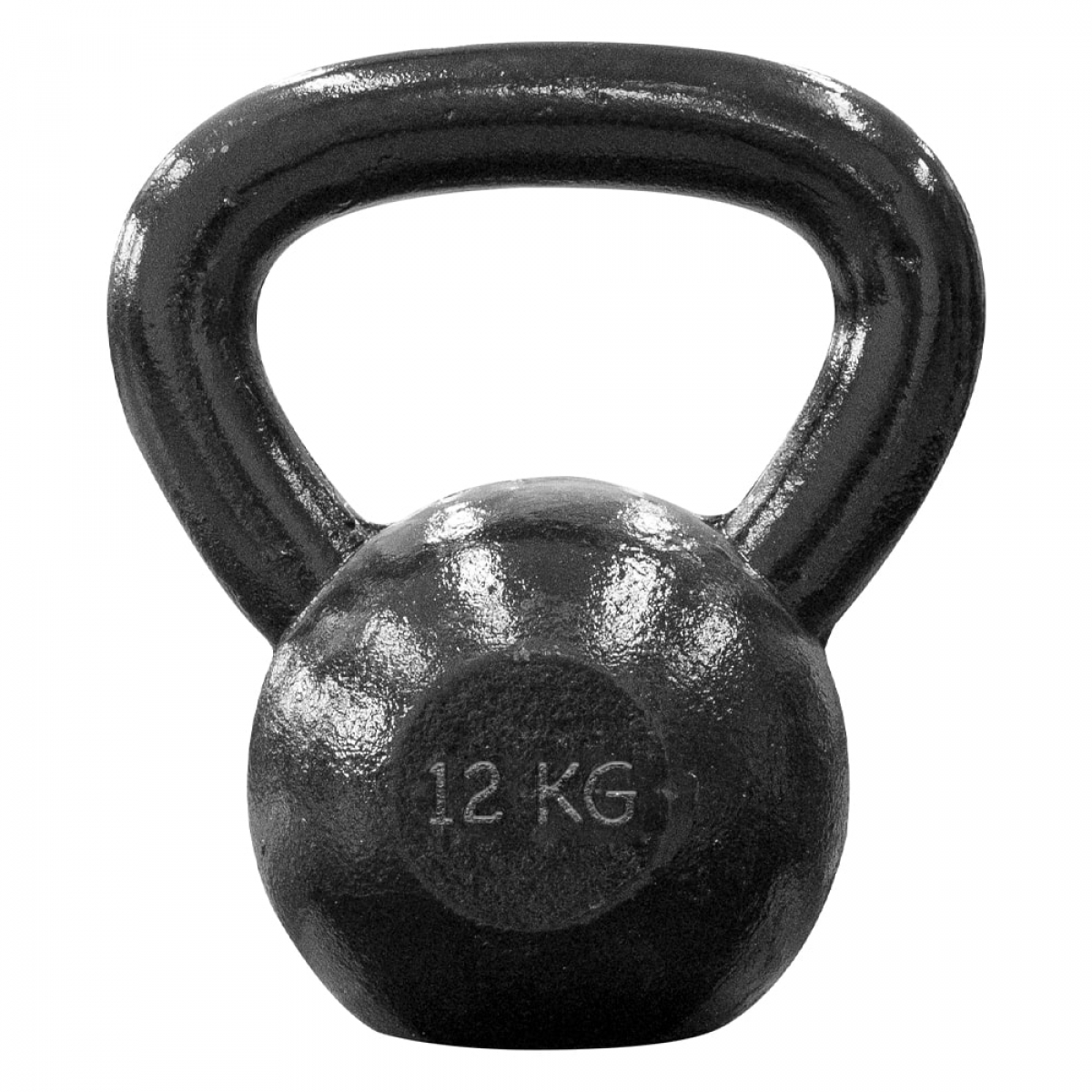
A common first size for swings and goblet squats once the movement feels solid, and still manageable for lighter lifts.
12 kg · Cast iron · Single weight
One handle with plates covers a light press weight and a heavier swing weight in a small space, at a higher price than a plain bell.
3–18 kg · Adjustable · Removable plates